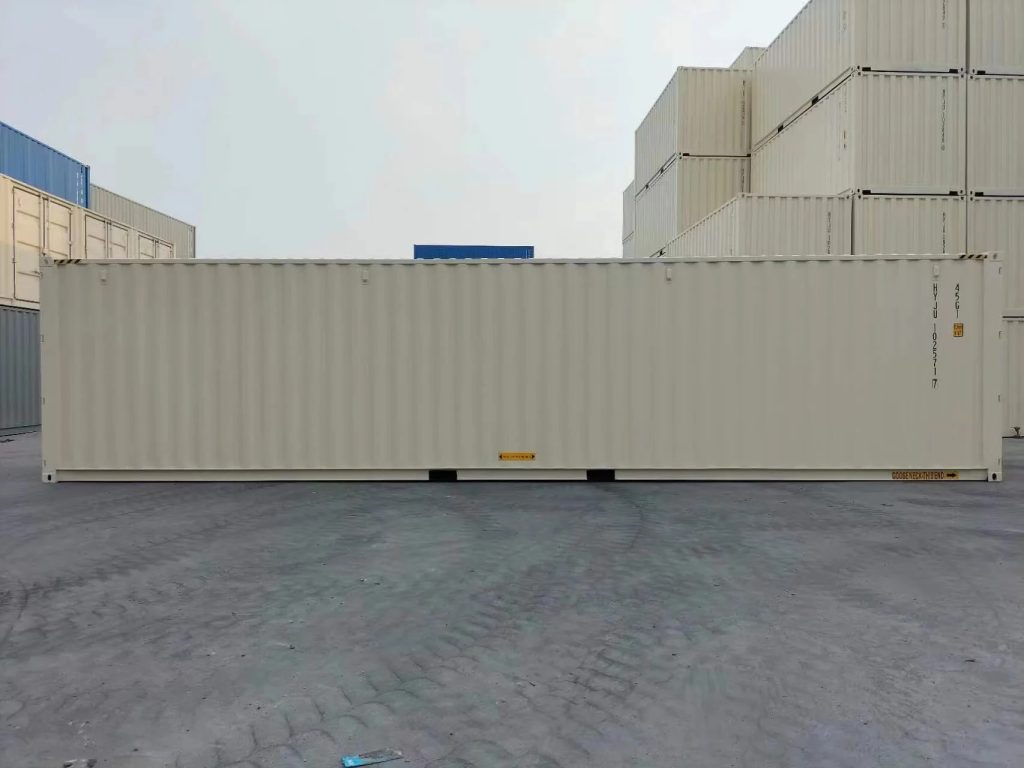
12 Facts About Buy Shipping Containers To Make You Think Smarter About Other People


The Comprehensive Guide to Buying Shipping Containers
Shipping containers have actually transcended their conventional role in the logistics industry, becoming versatile solutions for storage, interior spaces, and more. Their sturdiness, price, and distinct structural advantages make them appealing for different applications, from homes and offices to popup shops and neighborhood tasks. This post uses a comprehensive take a look at the factors to consider when buying shipping containers, the types available, prospective usages, and answering regularly asked questions.
Why Consider Buying Shipping Containers?
Shipping containers provide numerous distinct advantages, including:
- Durability: Constructed to endure harsh marine conditions, shipping containers are made from steel, guaranteeing durability and resistance to deterioration.
- Portability: Containers can be quickly transferred by trucks, ships, and trains, supplying terrific versatility for usage.
- Affordability: Compared to standard construction techniques, purchasing shipping containers is often a more cost-efficient solution.
- Eco-friendliness: Repurposing shipping containers reduces waste, making them an ecologically sustainable choice.
Various Types of Shipping Containers
When wanting to buy shipping containers, various types are readily available, each serving distinct needs. Below is a table describing the most common types of shipping containers and their attributes:
| Type | Dimensions (L x W x H) | Key Features | Suitable Uses |
|---|---|---|---|
| Requirement Dry Container | 20ft/ 40ft | Basic weather condition security | Storage, shipping goods |
| High Cube Container | 20ft/ 40ft | Additional height (1ft taller than requirement) | Taller products, stackable storage |
| Refrigerated Container | 20ft/ 40ft | Temperature-controlled | Disposable goods |
| Open Top Container | 20ft/ 40ft | Openable roof for high cargo | Bulk materials, oversized items |
| Flat Rack Container | 20ft/ 40ft | No sides or roofing, simple loading | Heavy equipment, vehicles |
| Double Door Container | 20ft/ 40ft | Doors on both ends for accessibility | Quick loading/unloading |
Aspects to Consider When Buying Shipping Containers
- Purpose and Usage: Determine what you need the container for-- storage, shipping, housing, and so on. This will influence the type and condition of the container you need to buy.
- New vs. Used: New containers are more costly but offer much better resilience and looks. Used containers can be considerably cheaper but might require repair and maintenance.
- Size Requirements: Choose a size that lines up with your needs. Basic options consist of 20ft and 40ft containers, however bigger or smaller sized sizes may be readily available upon demand.
- Shipping and Logistics: Consider logistics expenses beyond the purchase rate. This includes transport, filling, discharging, and any essential permits for delivery.
- Condition: Inspect the container for any damage or rust. Shipping Container Solutions or pictures from the seller to confirm condition before purchasing.
- Customization: Depending on meant usage, you may desire to tailor the container for included functionality. This might include electrical setups, insulation, or window cutouts.
- Regional Regulations: Research regional zoning laws and guidelines concerning the use of shipping containers in your location.
FAQs About Buying Shipping Containers
1. Are shipping containers water resistant?
Yes, shipping containers are developed to be water resistant and can secure the contents from rain. However, the door seals and total condition of the container might affect water resistance.
2. Can I finance a shipping container?
Lots of suppliers provide financing alternatives for buying shipping containers. Guarantee to compare interest rates and terms before committing.
3. Is a shipping container worth the investment?
Yes, the versatility and durability of a shipping container generally offer long-term worth, whether for storage, business use, or as a house.
4. How do I transport my shipping container?
The majority of companies offer delivery services for shipping containers, however you can also employ professional transport services to move containers.
5. What modifications can I make to a shipping container?
You can personalize shipping containers in different methods, including setting up windows, doors, insulation, and electrical systems, depending on your intended usage.
Pros and Cons of Buying Shipping Containers
Pros
- Affordable compared to conventional construction
- Quick to establish and release
- Versatile for numerous applications
- Strong and durable versus elements
Cons
- Limited looks unless modified
- Needs maintenance, specifically if used frequently
- Potential legal constraints in some locations
- Needs appropriate insulation for habitable spaces
Where to Buy Shipping Containers
When it pertains to buying shipping containers, numerous sources are readily available:
- Direct from Manufacturer: This choice usually offers the very best prices, but it might require a bigger preliminary investment.
- Shipping Container Suppliers: Local or online specialized providers can provide new and used containers, frequently with modification alternatives.
- Auctions and Liquidation Sales: Purchasing containers from auctions can be economical, but purchasers ought to beware relating to the container's condition.
- Categorized Ads: Websites like Craigslist and local classified ads can provide good offers on used containers.
- Shipping Companies: Some shipping companies sell surplus containers, often at competitive prices.
Buying a shipping container can be a useful and smart financial investment, supplied that possible purchasers carry out extensive research study and consider their specific requirements. Whether for storage, business, or personal jobs, understanding the different types, factors to consider, and available resources will improve the buying process and ensure an effective purchase.
For anyone wanting to explore the world of shipping containers, it's clear that their benefits far exceed preliminary cost issues, opening pathways to creativity and functional solutions in daily life.